
发布日期:2026-03-27 Number of views:6
Where does the energy storage noise come from?
Sound absorption | Sound insulation | Sound attenuation
When solar panels absorb sunlight under illumination, when blades dance in the wind to generate electricity, and when water rushes and leaps to store energy as electricity, most of these clean energies require the "electricity granary" — energy storage systems — for storage and distribution. But did you know? This "great contributor" that ensures energy stability can sometimes become a "noise source". From the buzzing sounds inside containers to the vibrations from equipment operation, as well as the wind noise from energy storage, these noises not only affect the surrounding environment but may also reduce the lifespan of the equipment. Today, NCC will unveil the mystery of noise reduction in energy storage and see how technology enables energy storage systems to "work quietly".
First, understand: Where does energy storage noise come from?
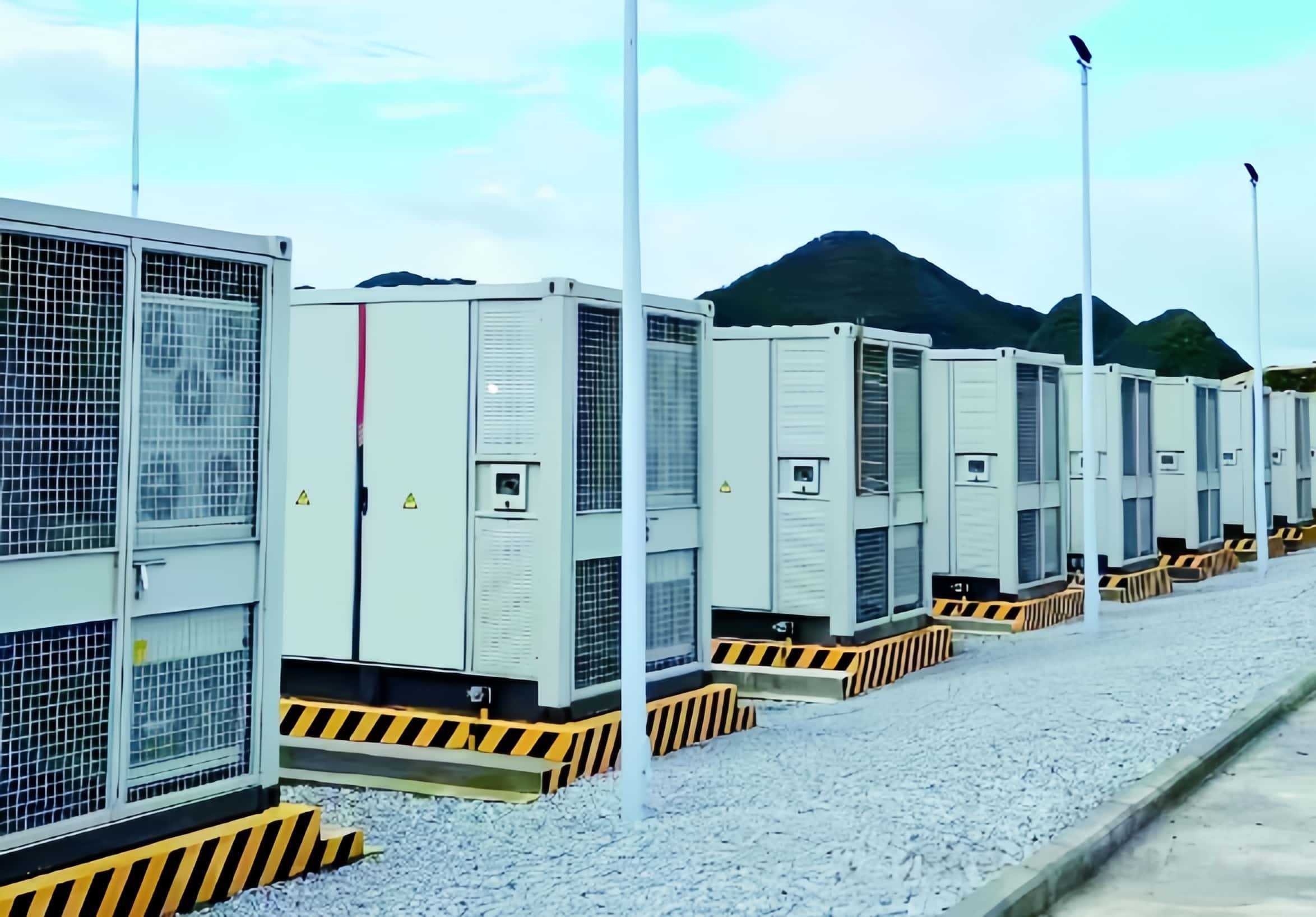
To effectively reduce noise, the first step is to identify the "sources of noise". The noise from energy storage systems does not come from a single source; instead, it is the result of the combined effect of multiple links, which are classified as follows according to their primary and secondary importance:
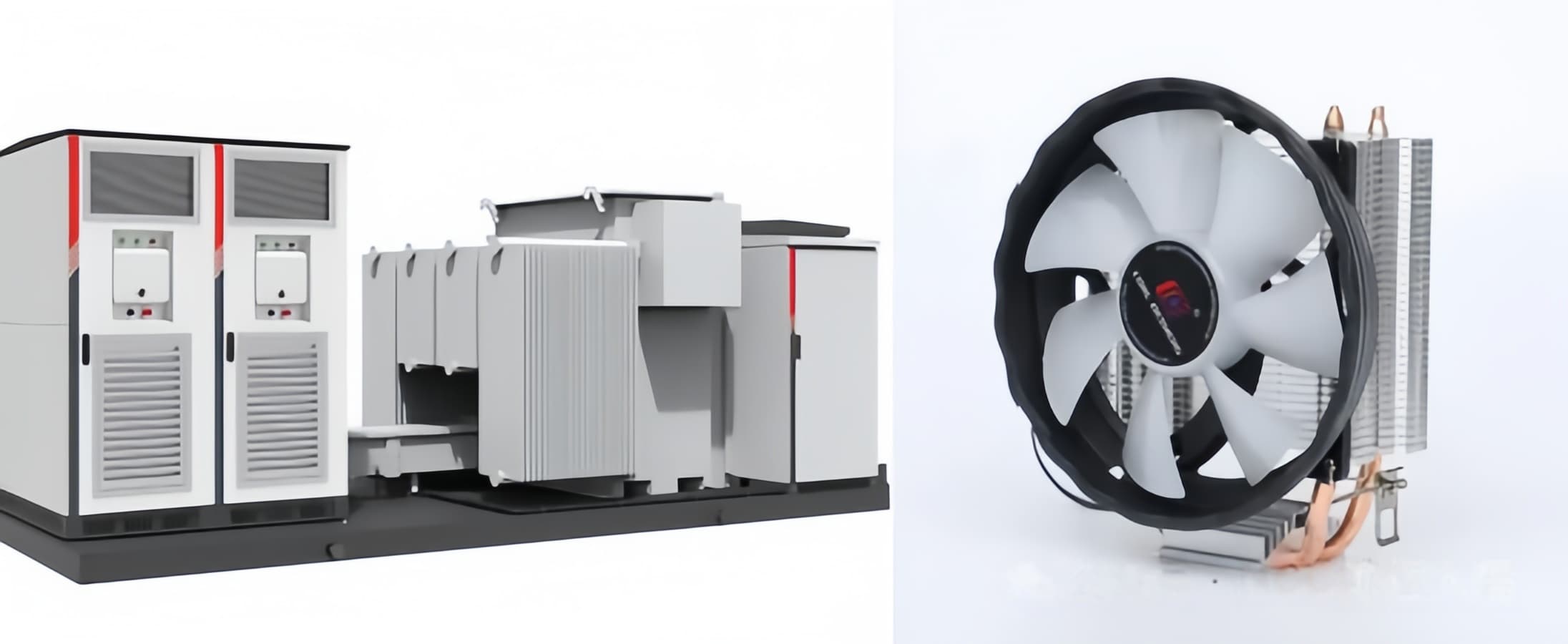
Mechanical noise: This is the primary source of noise in energy storage systems. When equipment such as energy storage converters (PCS), large liquid-cooled machine cooling fans, and water pumps are in operation, vibrations are generated by the rotation of internal bearings, the cutting of air by blades, and the friction of mechanical components. These vibrations are then converted into audible noise, which mostly has a frequency between 200-2000Hz, sounds particularly harsh, and has a sound pressure level of 85dB(A).
Aerodynamic noise: To provide a warm environment for the batteries, the system is equipped with large liquid-cooled air conditioning water machines. To ensure the heat dissipation of energy storage equipment, axial flow or centrifugal fans are usually used. Turbulence and eddy currents generated by air when the fans are running at high speed, as well as airflow impact at the inlet and outlet of the fans, will form aerodynamic noise. This type of noise has a wide propagation range, slow attenuation speed, and a sound pressure level of 80dB(A).
Electromagnetic noise: When current passes through the coils and iron cores of energy storage equipment, electromagnetic force is generated, causing the iron cores to vibrate. This vibration is transmitted to the equipment外壳 (housing) to form noise. Especially at the moment when the energy storage system switches between charging and discharging, the electromagnetic force changes drastically, and the noise will suddenly increase.
Core principle: The "three magic weapons" for noise reduction
Energy storage noise reduction is not a "one-size-fits-all" sound insulation. Instead, it combines different types of noise and their transmission paths, and applies the three core principles of "absorption, insulation, and elimination" to achieve the noise reduction goal from three dimensions: source control, process blocking, and end weakening.
Magic Weapon 1: Sound Absorption – Let Noise "Be Absorbed"
The sound absorption principle mainly targets noise transmitted through the air. By selecting porous and loose sound-absorbing materials (such as glass wool, polyester fiber cotton, rock wool, or aluminum foam), noise sound waves are allowed to enter the pores inside the materials. When sound waves propagate in the pores, they rub against the pore walls, and the mechanical energy of the sound waves is converted into heat energy and consumed, thereby achieving noise attenuation.
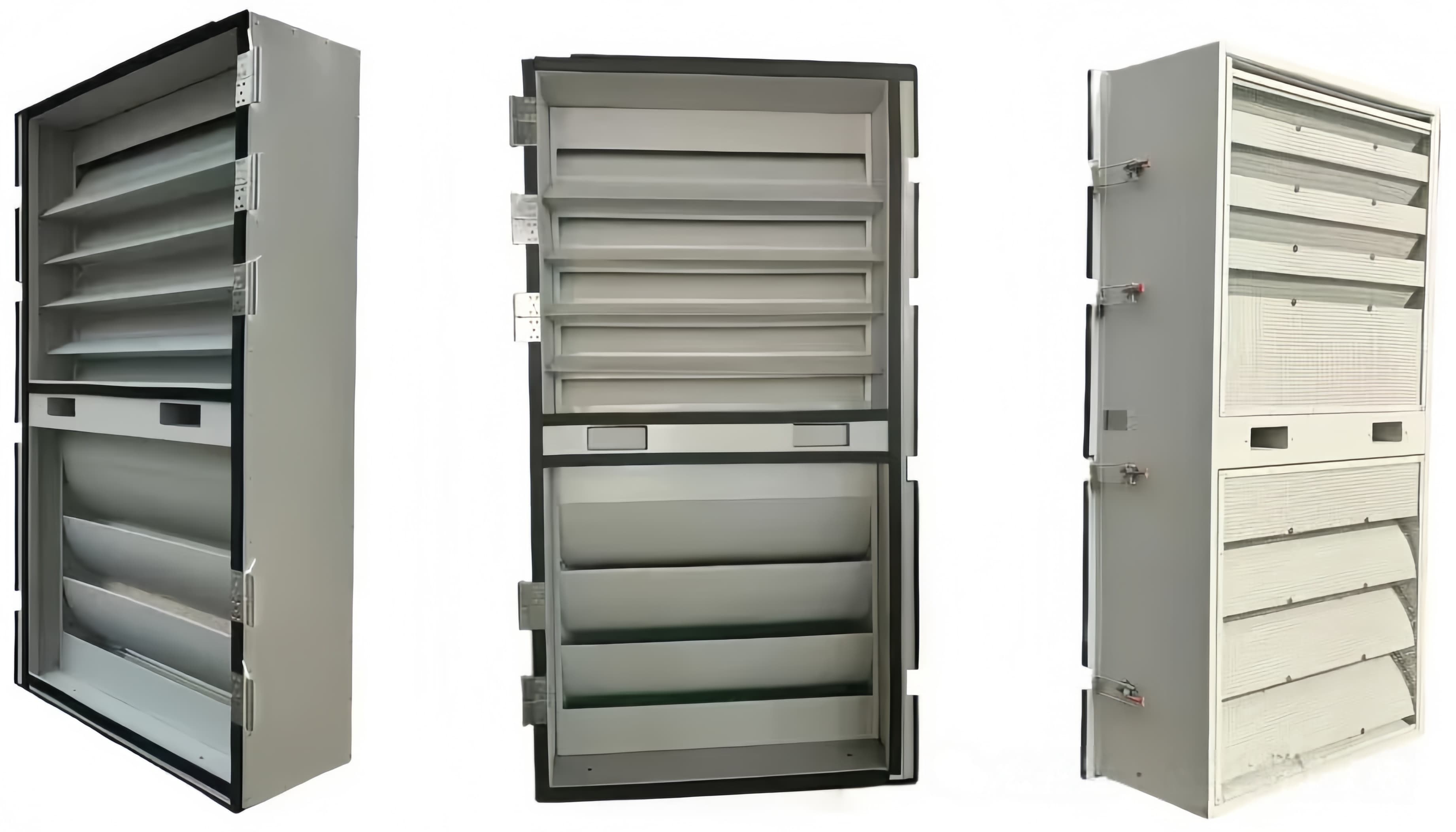
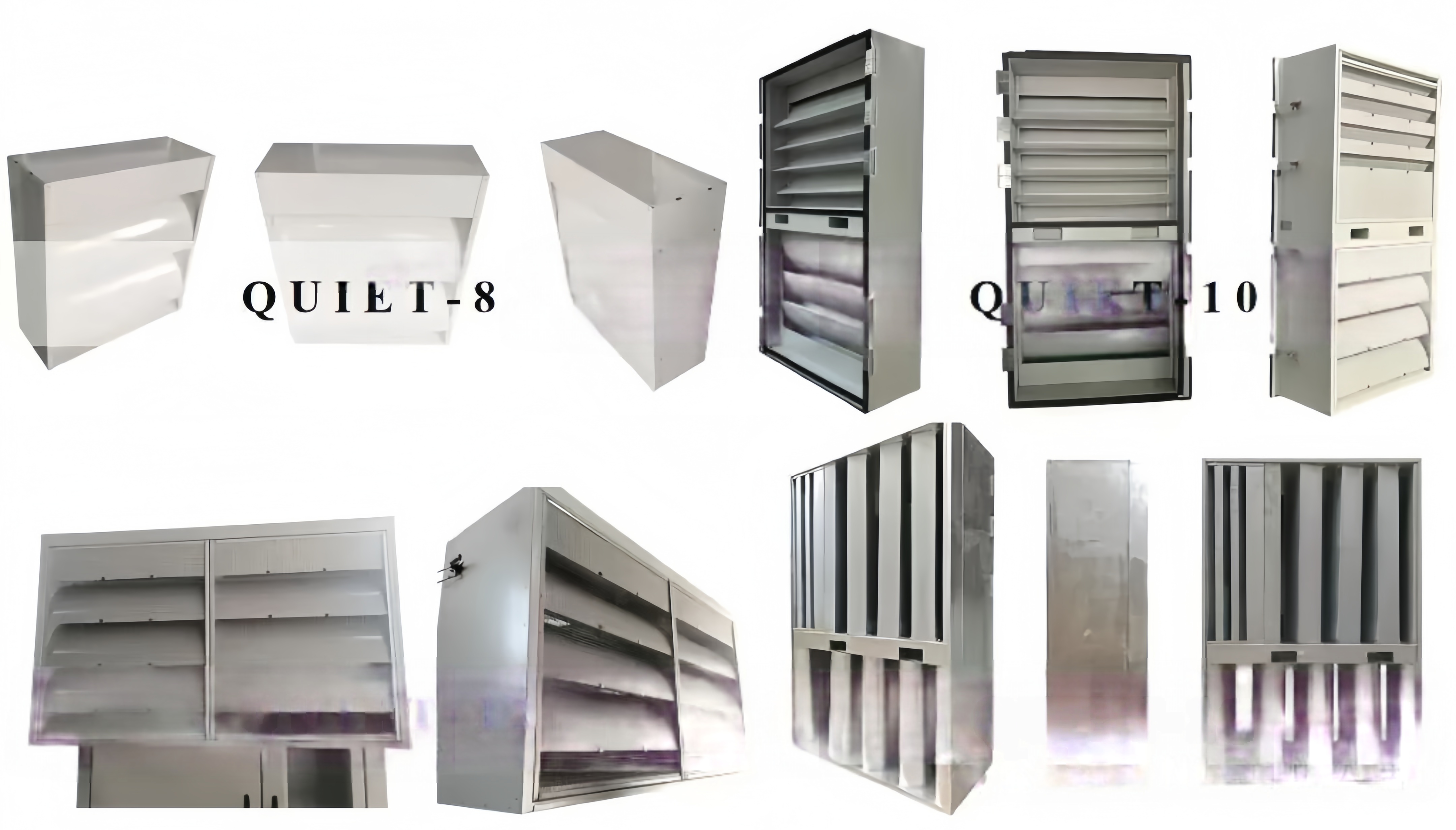
Regarding the noise elimination principle, NCC R&D provides matching standard acoustic louvers and ventilation acoustic enclosures (QUIET 10 model), which can effectively reduce the high-frequency noise generated by cooling fans. Without affecting the equipment's ventilation and heat dissipation, cooling capacity, and energy consumption, the noise can be reduced by 10-15dB after sound absorption treatment, which is equivalent to reducing the noise of a busy street to the level of a quiet office.
Magic Weapon 2: Sound Insulation - Setting a "Barrier" for Noise
If sound absorption is "internal consumption", then sound insulation is "external blocking". The principle of sound insulation utilizes the reflection and attenuation characteristics of sound waves when propagating in different media. By setting up dense and heavy sound insulation structures (such as sound-absorbing and insulating walls, sound-absorbing and insulating barriers, etc.), it prevents noise from propagating from the noise source to the surrounding environment.
储能降噪并非“一刀切”的隔音,而是结合噪音的不同类型和传播路径,
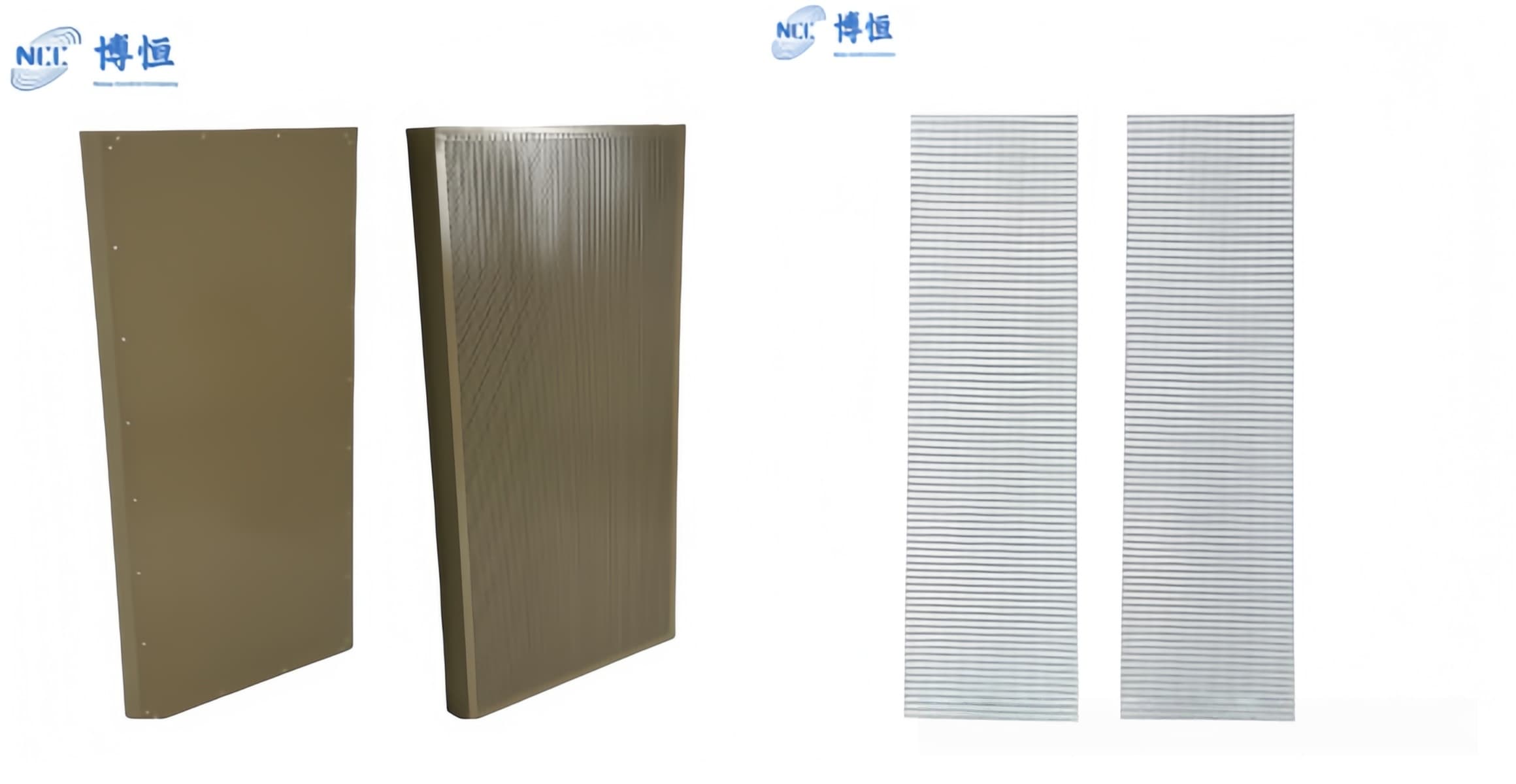
For high-noise equipment such as energy storage converters, a common practice is to customize NCC acoustic panels for them. The available models include NVT50 and NVT100. The panel body adopts a double-layer steel plate structure, with a sound-absorbing layer on the inner side and a sound-insulating layer on the outer side. Damping materials are filled in the middle, which can not only block the outward transmission of noise but also suppress the vibration of the equipment itself. The acoustic walls at the boundary of energy storage stations can reduce the noise in the station, which is 70-80 dB, to below 50 dB outdoors, meeting the noise standards for residential areas in Europe, America, and international environmental standards.
Magic Weapon Three: Sound Attenuation – Let Noise "Decay on the Way"
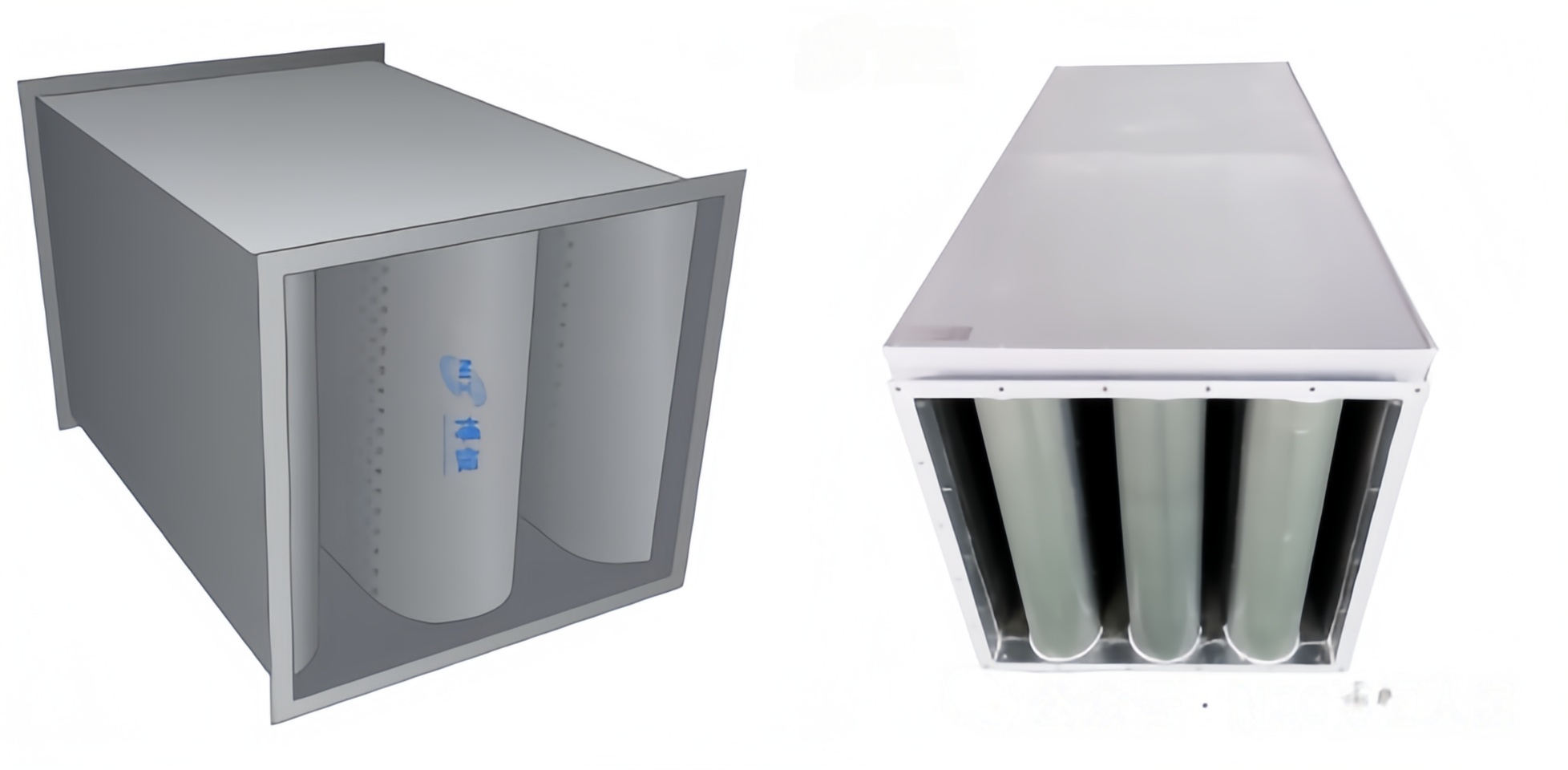
Noise reduction mainly targets aerodynamic noise, and the core is to install acoustic attenuators in the propagation path of the noise. Acoustic attenuators, through internal structures such as perforated pipes, resonance chambers, and expansion chambers, cause sound waves to reflect, interfere, and diffuse during propagation, thereby gradually attenuating them. Depending on the type of noise, acoustic attenuators can be divided into reactive attenuators, resistive attenuators, and composite attenuators.
For example, in the ventilation ducts of energy storage systems, NCC resistive mufflers (model NCC-MS) are installed at the inlet and outlet of fans to absorb airflow noise using sound-absorbing materials; for low-frequency airflow noise in the ducts, reactive mufflers are used to cancel the noise through the resonance effect of the resonance cavity. The NCC muffler system model can reduce the noise of ventilation ducts by 20-30dB, completely solving the problem of "when the fan is on, the whole city knows".
Practical Solutions: "Combination Punch" for Noise Reduction in Different Scenarios
Energy storage systems have diverse application scenarios, ranging from large-scale centralized energy storage power stations to distributed household energy storage. The noise reduction requirements also vary, so it is necessary to specifically adopt the "absorption, isolation, and elimination" solutions.
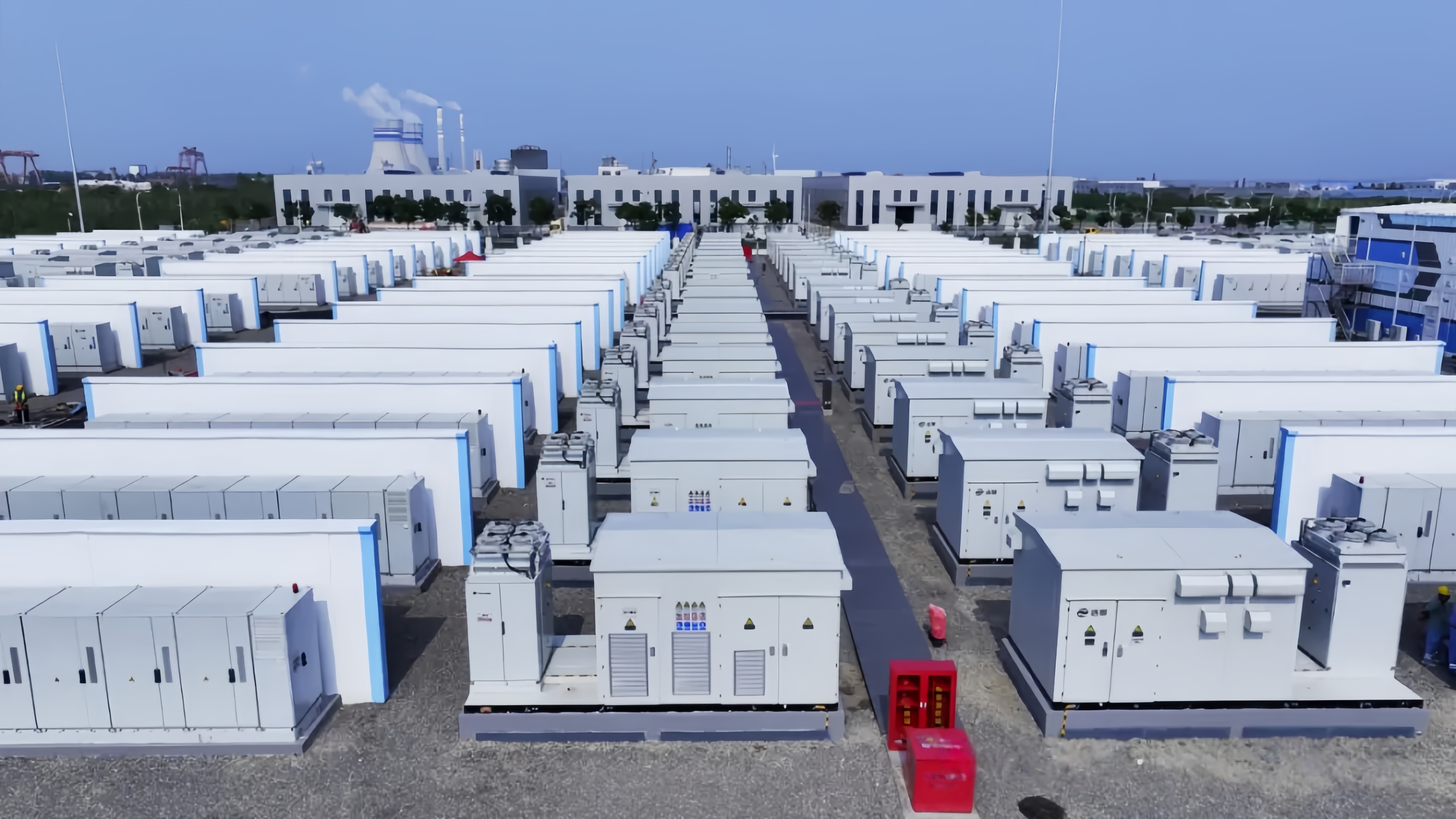
Centralized energy storage power station
This type of power station has concentrated equipment and high noise intensity, and usually adopts the combined scheme of "NCC ventilation and sound insulation cover + NCC silencing louver". Core noise-generating equipment such as PCS and transformers are enclosed in sound insulation covers, the ventilation system is equipped with composite mufflers, and sound insulation barriers are set around the power station to form an all-round noise reduction system.
Distributed energy storage (such as industrial and commercial, household)
This type of energy storage equipment is small in size and close to crowds, so more emphasis is placed on "lightweight" noise reduction. Low-noise fans can be used to replace traditional fans, the equipment shell can be coated with damping coating to suppress vibration, and then combined with small NCC acoustic louvers, which can not only meet the noise reduction requirements but also meet the requirement of an attractive appearance.
Outdoor container-type energy storage
This type of energy storage equipment is small in size and close to crowds, so more emphasis is placed on "lightweight" noise reduction. Low-noise fans can be used to replace traditional fans, the equipment shell can be coated with damping coating to suppress vibration, and then combined with small NCC acoustic louvers, which can not only meet the noise reduction requirements but also meet the requirement of an attractive appearance.
Future trend: The "two-way pursuit" of noise reduction and energy efficiency
With the rapid development of the energy storage industry, NCC 's noise reduction technology is no longer a "single goal" but is combined with equipment energy efficiency and cost control. NCC Boheng's independently developed new patented technology "Active Noise Reduction Technology - A Method for Noise Sensing and Suppression in Energy Storage Equipment" has begun to be applied in the energy storage field. It collects noise signals through sensors and then emits sound waves with frequencies opposite to the noise through speakers to achieve "active cancellation" of noise. This technology is particularly effective for low-frequency vibration noise and does not affect the heat dissipation of the equipment.
At the same time, NCC 's independently developed "An Intelligent Control Ventilation and Energy-Saving Muffling Shutter Based on Cloud System" can automatically adjust to adapt to the noise and heat dissipation conditions of dynamic environments. To better adapt to the environment, save energy consumption, and ensure a green and healthy future, NCC Boheng's "low-noise design + intelligent noise reduction system" will become a standard configuration for energy storage equipment, making the energy storage system not only a stable "electricity granary" but also a quiet "energy partner".
NCC shares a quiet world with you
Measures for Noise Reduction in Energy Storage Power Stations
Telphone Number




administrators
No comment on this content